
.
NEW YORK TO AKRON | 1934–1935
Before There Was A.A.,
There Was One Alcoholic Trying to Reach Another.
In less than twelve months, a medical explanation, a spiritual experience, a failed business trip and a conversation between two alcoholics created the foundation of a worldwide fellowship.
SUMMER 1934 | CHARLES B. TOWNS HOSPITAL, NEW YORK
The Problem Was
More Than Weak Will
Dr. William Duncan Silkworth believed Bill had reached a condition in which his drinking was extremely unlikely to be controlled by willpower alone. He described alcoholism not as a moral failing, but through three connected medical ideas.

OBSERVATION:
Patient exhibits persistent return to first drink despite firm resolve. Willpower operates after drinking stops, yet fails before first drink.
PROGNOSIS:
Condition involves a physical allergy coupled with mental obsession. Standard psychological interventions insufficient without addressing systemic cycle.
THE BODY
The first drink could trigger a physical reaction leading to continued drinking.
THE MIND
After periods of sobriety, the alcoholic could still become convinced that drinking would be safe.
THE CYCLE
Willpower could operate after the drinking stopped, yet fail before the first drink.
AUGUST–DECEMBER 1934 | BROOKLYN AND MANHATTAN
A Friend Arrived With A
Different Answer
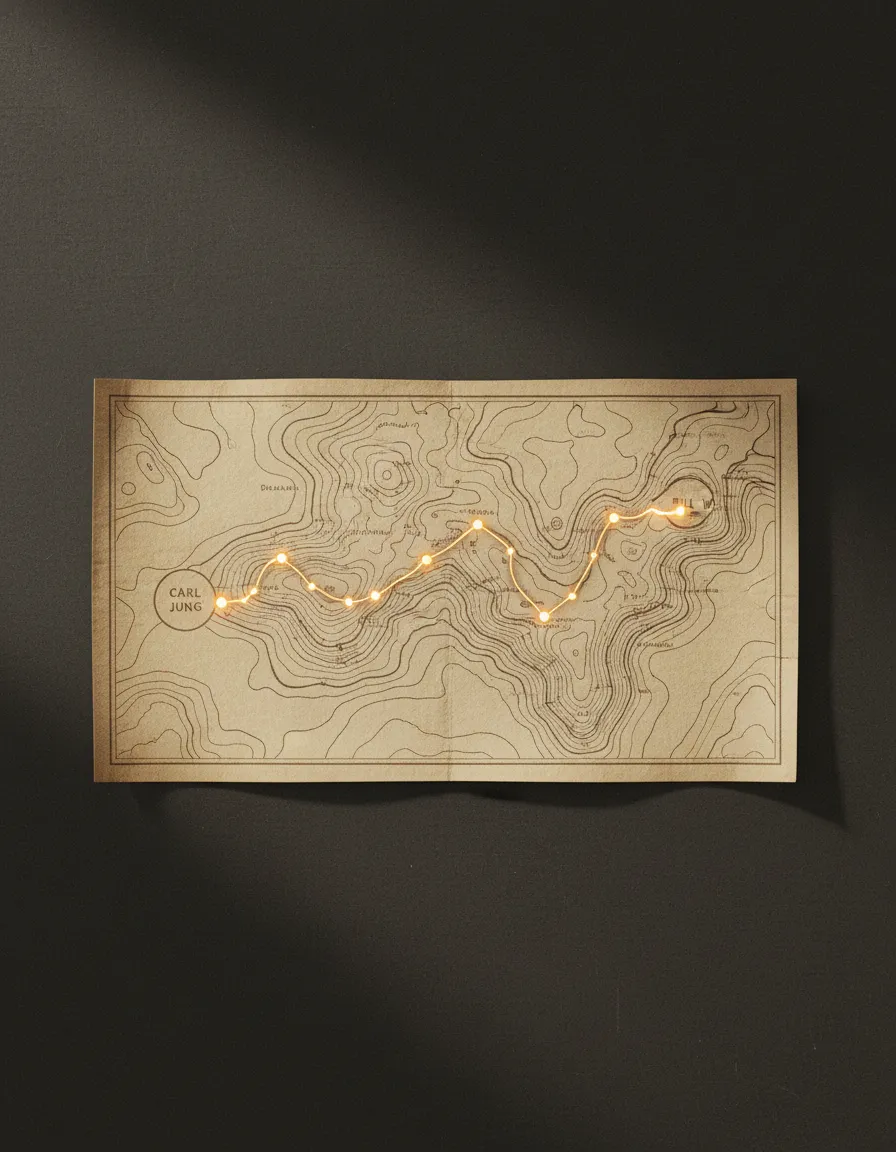
THE CHAIN OF INFLUENCE
Ebby's Sobriety
Ebby Thacher became connected with the Oxford Group through Rowland Hazard and other members. This connection forged a vital link that eventually reached Bill W., carrying a message of practical spiritual action rather than mere willpower.
NOVEMBER 1934
The Visit at 182 Clinton Street
Ebby visited Bill and Lois at their home in Brooklyn. Bill expected Ebby to drink with him. Instead, Ebby declined and explained that he had "got religion," meaning that he had found a spiritual solution through the Oxford Group.
WHAT EBBY ACTUALLY CARRIED
- Admit defeat and recognize the need for outside help.
- Examine moral failures and confess them.
- Make restitution to those harmed.
- Help others without expectation of reward.
- Seek guidance through prayer.
Historical Note: Ebby did not give Bill the Twelve Steps. The Twelve Steps did not yet exist. He gave Bill a practical summary of Oxford Group principles as he understood them.


DECEMBER 7, 1934
Calvary Mission
Bill visited Calvary Mission while intoxicated. The mission was associated with Reverend Samuel Shoemaker and the Oxford Group. Bill participated in the service and made an emotional declaration of conversion, but the event did not immediately end his drinking. It marked another step toward his eventual surrender, but demonstrated that an emotional breakthrough alone was not the final answer.
DECEMBER 11–18, 1934
Towns Hospital
Bill returned to Towns Hospital. Ebby visited and reinforced the Oxford Group program. After Ebby left, Bill entered severe despair and called out for God to reveal Himself. He later described an overwhelming experience of light, presence, freedom, and peace.
Concerned he might have hallucinated, Bill spoke with Dr. Silkworth, who encouraged him not to dismiss it. Reading William James’s The Varieties of Religious Experience helped Bill understand what had happened. He never drank again after this hospitalization.
Historical Note: Bill’s spiritual experience became central to his personal story, but his early attempts to reproduce the same dramatic experience in others were largely unsuccessful.

EARLY 1935 | NEW YORK
Sobriety Was Not
Yet A Method
Bill approached alcoholics at Towns Hospital strongly emphasizing his dramatic spiritual experience, attempting to persuade them to undergo a similar conversion. While he remained sober, almost none of the people he approached achieved lasting sobriety.
THE FIRST APPROACH
“I had a revelation. You need one too.”
- Heavy emphasis on Bill’s spiritual experience
- Immediate presentation of religious ideas
- Limited identification with the other alcoholic
- Almost no lasting success
THE DEVELOPING APPROACH
“I am an alcoholic like you.”
- Begin with the medical problem
- Establish identification
- Describe the obsession and loss of control
- Speak from shared experience
- Introduce spiritual solution after connection
identification before instruction.
MAY 1935 | NEW YORK TO AKRON
A Failed Business Trip
Changed History
Bill traveled to Akron for a business venture involving a proxy contest. The deal failed, leaving him discouraged, alone, and tempted to drink at the Mayflower Hotel. Instead of entering the hotel bar, he made a decision that would redirect the course of history: he needed to find another alcoholic to work with.
Examining a church directory in the hotel lobby, he began calling local clergy. One call eventually connected him with Reverend Walter Tunks, who directed him into Akron's Oxford Group network. That critical network led Bill to Henrietta Seiberling.
He believed he needed to find one."
MAY 12, 1935 | MOTHER’S DAY
The Conversation
That Worked
Henrietta Seiberling arranged for Bill to meet Dr. Bob at her home in Akron. Dr. Bob initially agreed to meet for only fifteen minutes. The conversation continued for hours.
What Bill Found
Helping another alcoholic could protect his own sobriety.
What Dr. Bob Found
A fellow sufferer who understood the condition from inside it.
WHY IDENTIFICATION MATTERED
Shared Experience
Bill spoke from direct personal experience rather than medical theory or moral instruction.
Medical Understanding
Bill described alcoholism medically as an allergy and obsession, removing the moral stigma.
Mutual Recognition
Dr. Bob recognized that Bill understood the condition from the inside, piercing his defensive isolation.
Practical Hope
Seeing a fellow sufferer stay sober offered tangible proof that a solution was actually possible.
Dr. Bob’s Final Binge and the Founding Date
Dr. Bob later traveled to an American Medical Association convention in Atlantic City and drank again. Bill and Anne Smith helped him recover enough to perform a scheduled operation. Traditionally, Dr. Bob’s final drink was a bottle of beer given to steady his hands before surgery.
OFFICIAL AND TRADITIONAL DATE
June 10, 1935
HISTORICAL DATE PROPOSED BY SOME
A later June date, often June 17
Use June 10, 1935 as A.A.’s official founding date while acknowledging the chronological debate in detailed historical discussion.
JUNE 1935 | AKRON CITY HOSPITAL
From Two Alcoholics
To The First Group
The name “Alcoholics Anonymous” was not yet in use, but the foundation was set. Three points of light formed a stable triangular structure that proved the connection could be passed on.
POINT I
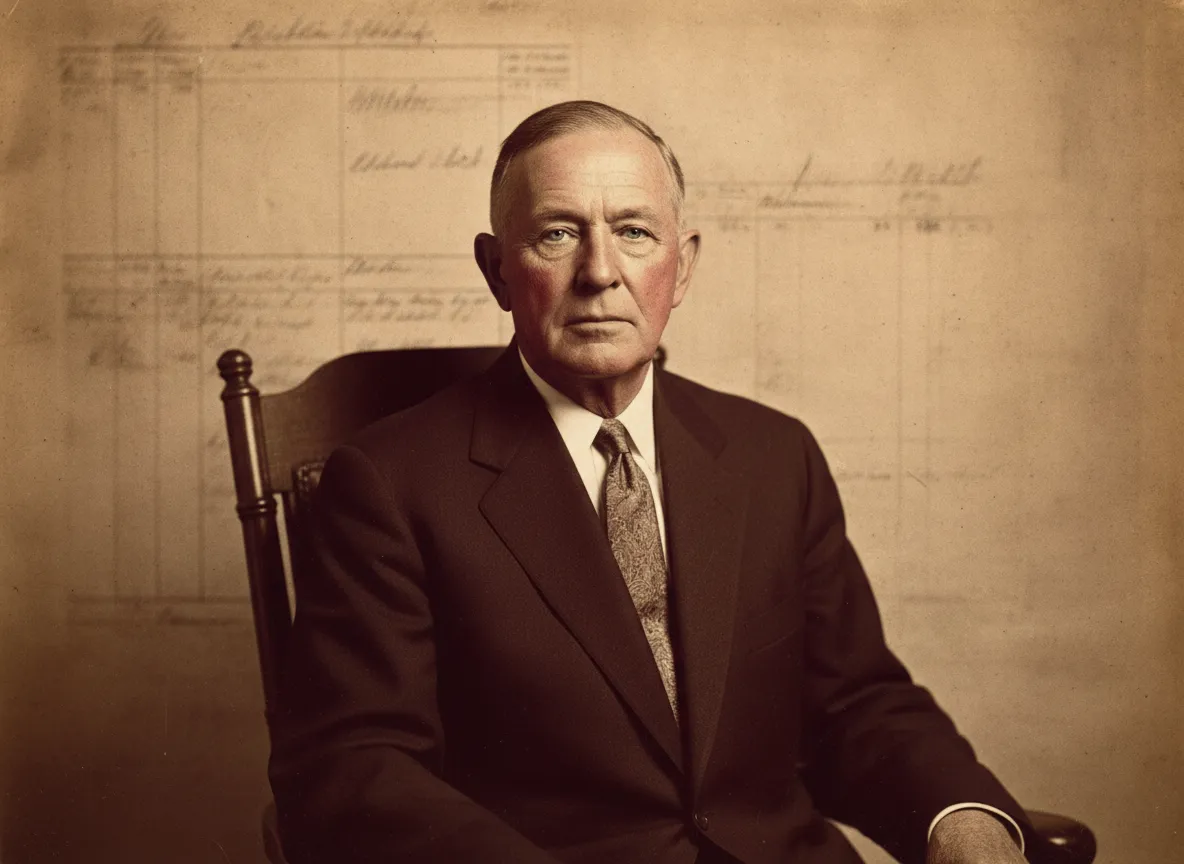
Bill W.
A New York stockbroker who found sobriety through a spiritual experience and realized that to protect his own recovery, he needed to find another alcoholic to help.
POINT II
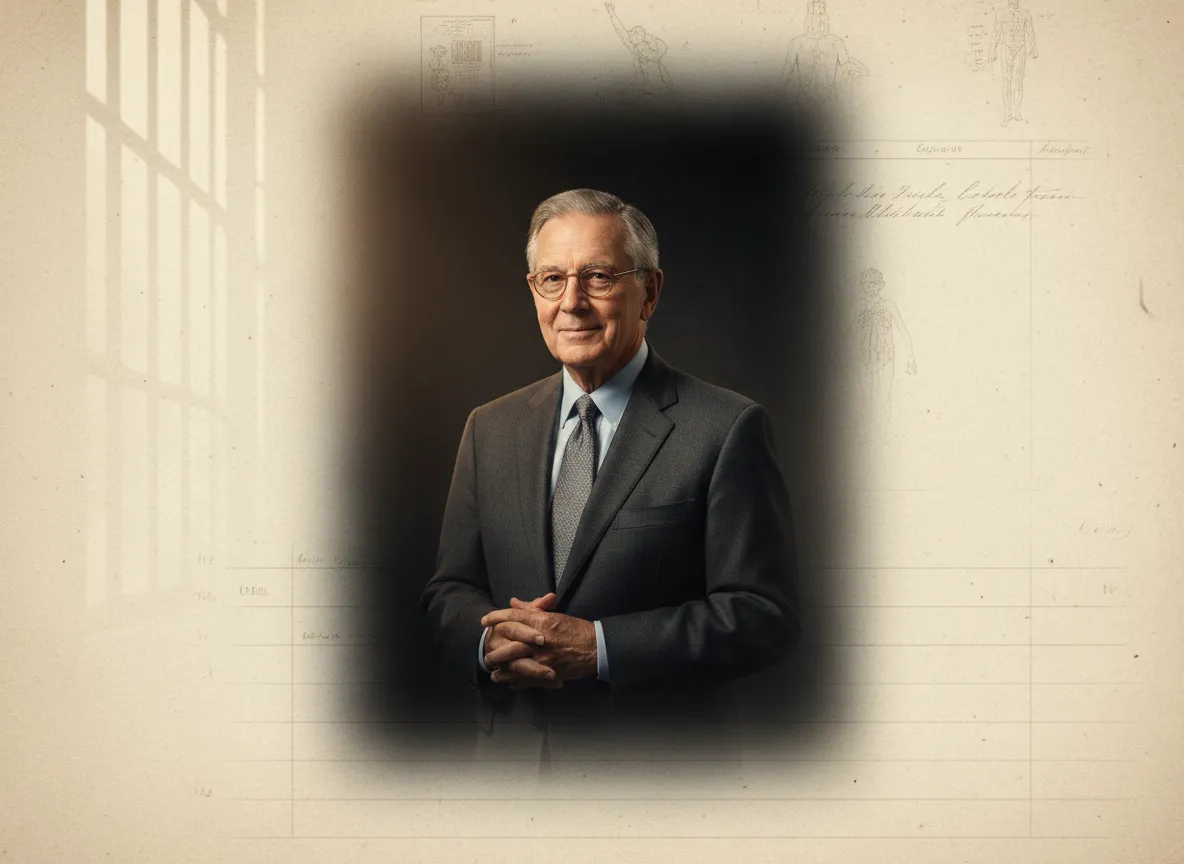
Dr. Bob
An Akron surgeon whose understanding was transformed when approached not with moral preaching, but with shared medical insight and personal reality.
POINT III

Bill D.
An Akron attorney known as “the man on the bed.” He was the first lasting success of their combined approach, proving that the model was replicable.
THE MODEL THAT COULD TRAVEL
The emerging fellowship required no professional clinic, no national charter, no paid leadership, and no elaborate institution.
FOUNDING PERIOD — ATHENS
A.A. was not yet present in Athens, Georgia, during 1934–1935. The historical importance of this period for Athens lies in the portability of the model being developed in Akron. That precise structure later allowed the fellowship to reach communities such as Athens through correspondence, traveling members, existing Georgia groups, personal sponsorship, and the eventual publication of the Big Book.
The earliest A.A. model did not spread because it possessed buildings or authority. It spread because one alcoholic could carry it personally to another.
DOCUMENT ARCHIVE
Sources and
Historical Notes
This page distinguishes between A.A.’s official historical tradition, Bill W.’s later recollections, and chronological questions raised by historians.
A.A. General Service Conference–Approved Sources
- Alcoholics Anonymous Comes of Age.
- Pass It On: The Story of Bill Wilson and How the A.A. Message Reached the World.
- Dr. Bob and the Good Oldtimers.
- Alcoholics Anonymous, including “The Doctor’s Opinion” and “Bill’s Story.”
- Official A.A. historical timelines and archives where applicable.
Related Primary and Historical Sources
- William James, The Varieties of Religious Experience.
- Historical material relating to Dr. William D. Silkworth.
- Historical records concerning Charles B. Towns Hospital.
- Samuel Shoemaker and Calvary Church or Calvary Mission materials.
- Oxford Group historical materials.
- Akron and Stan Hywet historical records where relevant.
Accuracy Notes
- Silkworth’s use of “allergy” was historically influential but differs from the modern medical meaning of an allergy.
- Ebby conveyed Oxford Group principles; he did not present the Twelve Steps in their later written form.
- Bill’s spiritual experience should be presented as his personal account and interpretation.
- June 10, 1935 remains A.A.’s official and traditional founding date.
- Some researchers have proposed a later June date based on convention chronology.
- A.A. was not yet present in Athens during 1934–1935.
- The term “Alcoholics Anonymous” was not yet being used when Bill D. joined Bill W. and Dr. Bob.
A.A. did not begin with a headquarters, a book or a name. It began when one alcoholic spoke honestly to another—and both stayed sober through the connection.
GEORGIA A.A. HISTORY ARCHIVE
Documenting the worldwide origins, statewide development, and local Athens history of Alcoholics Anonymous.
Navigation
Home
World History
Georgia History
Athens History
Interactive Map
People
Groups
Documents
Sources
Research
Research Method
Full Bibliography
Submit a Record
Accessibility
Contact
This independent educational history project is not affiliated with, endorsed by or officially sponsored by Alcoholics Anonymous World Services, Inc. Alcoholics Anonymous, A.A. and related marks may be protected trademarks. Historical interpretations should be checked against official A.A. publications and primary source materials.